
PACDEFF 2026.
Just text? When letters become hazards in flight operations
Conference presentation















Abstract
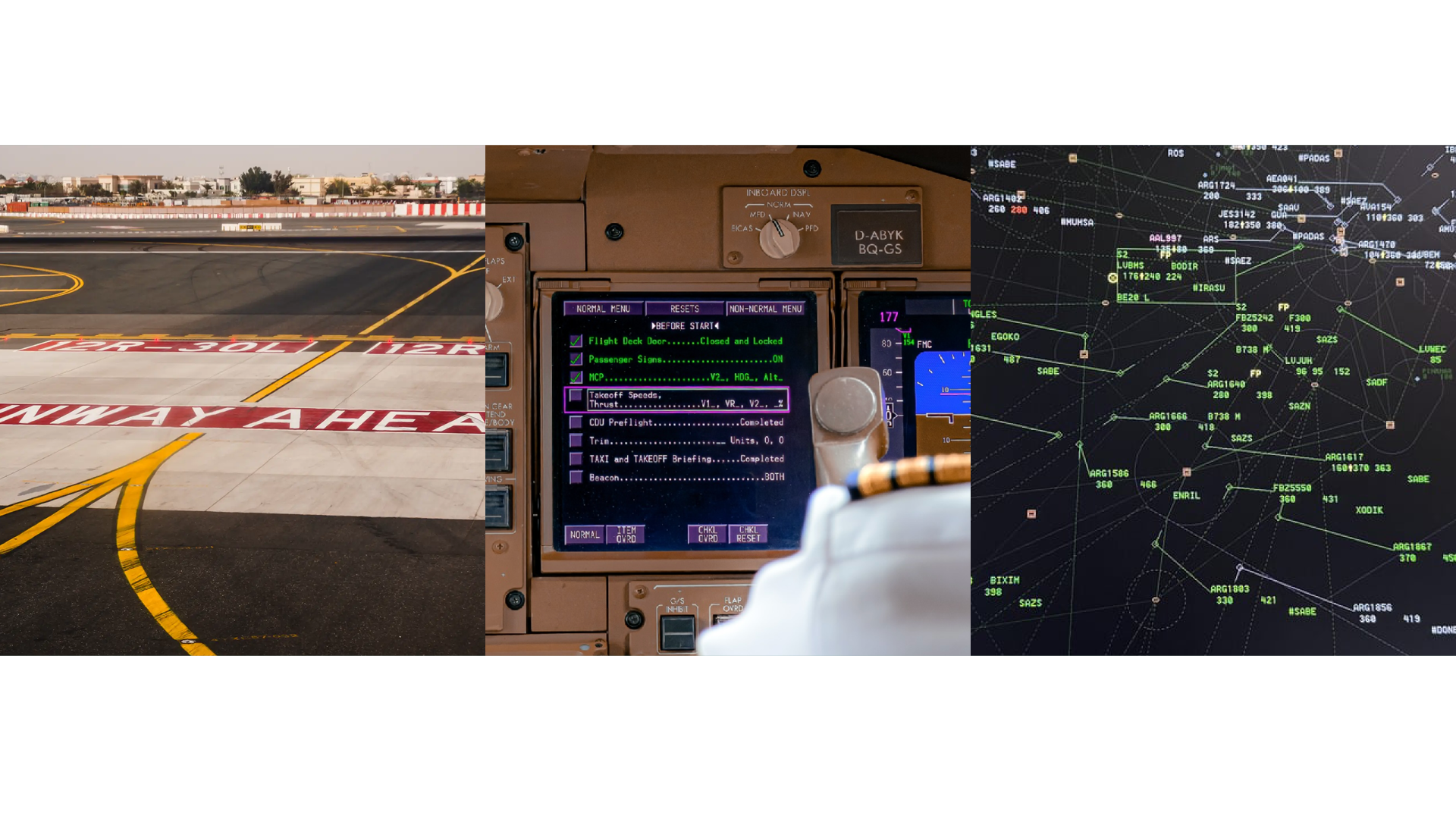
Decades of rigorous risk management have made flying safer than many everyday activities. Yet even in this highly controlled environment, small, often overlooked hazards can accumulate, creating latent failures. As Reason’s Swiss Cheese Model shows, these failures typically emerge from a series of unfavourable conditions, sometimes hidden in plain sight—for example, in the letters and numbers pilots rely on daily.
Safety-II focuses on understanding why things usually go right and supports system adaptability, while Safety-III emphasises enhancing adaptive capacity and system foresight in complex operational contexts. However, even in this well-structured environment, standardised text conventions do not always support accurate interpretation. Moreover, system-approved information can mislead, masking latent vulnerabilities that, although unnoticed, can still carry significant risk.
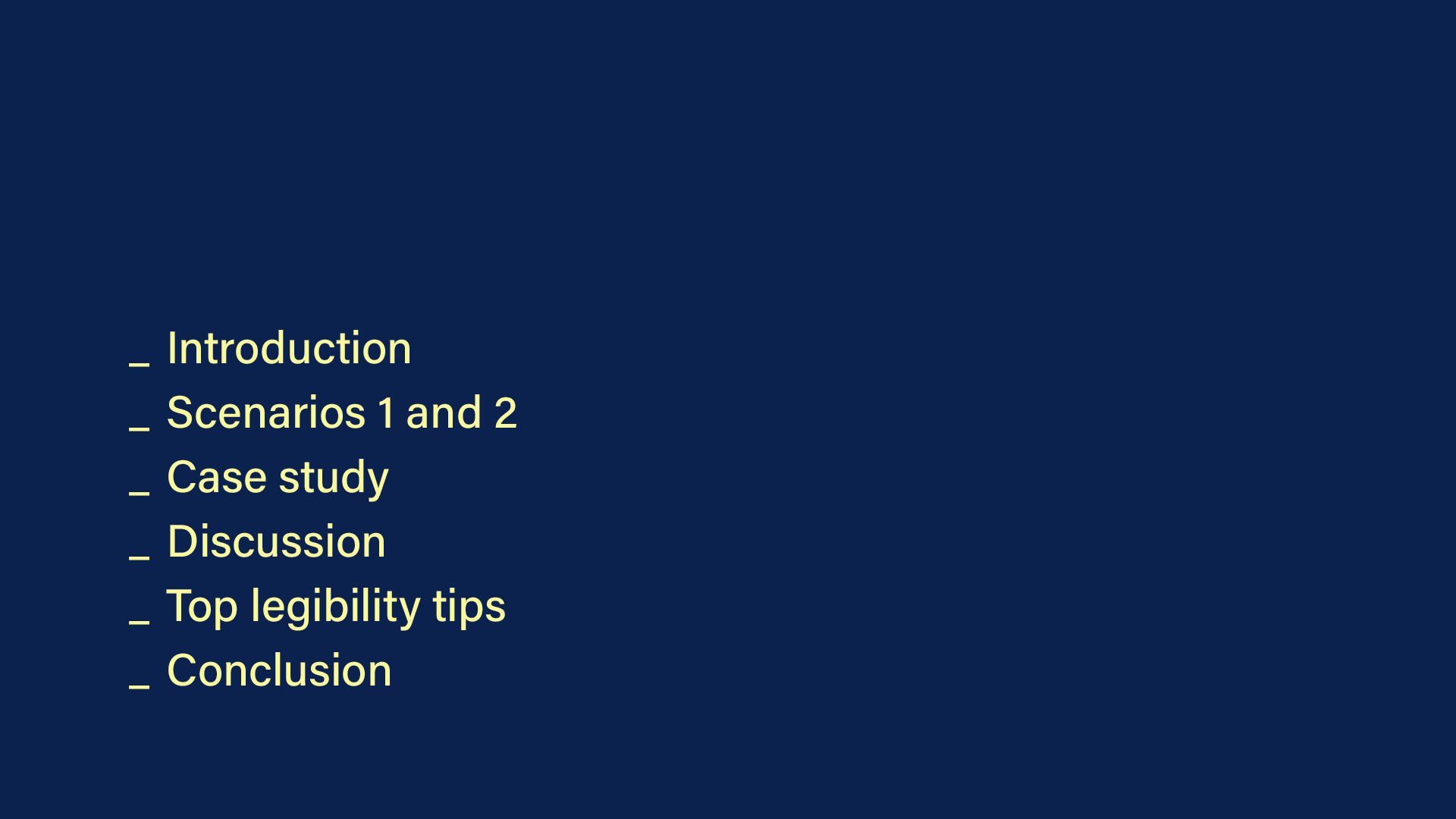
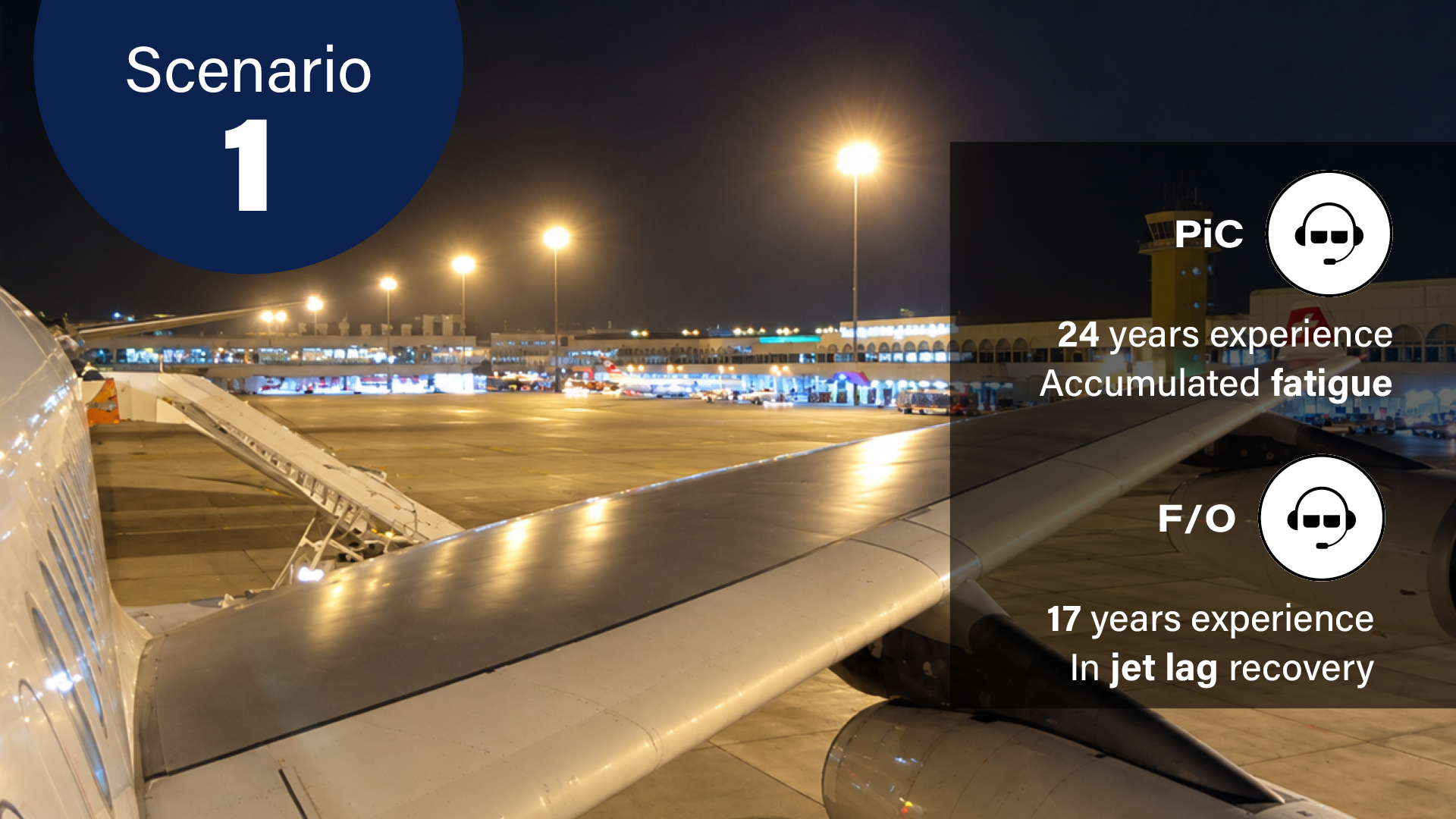
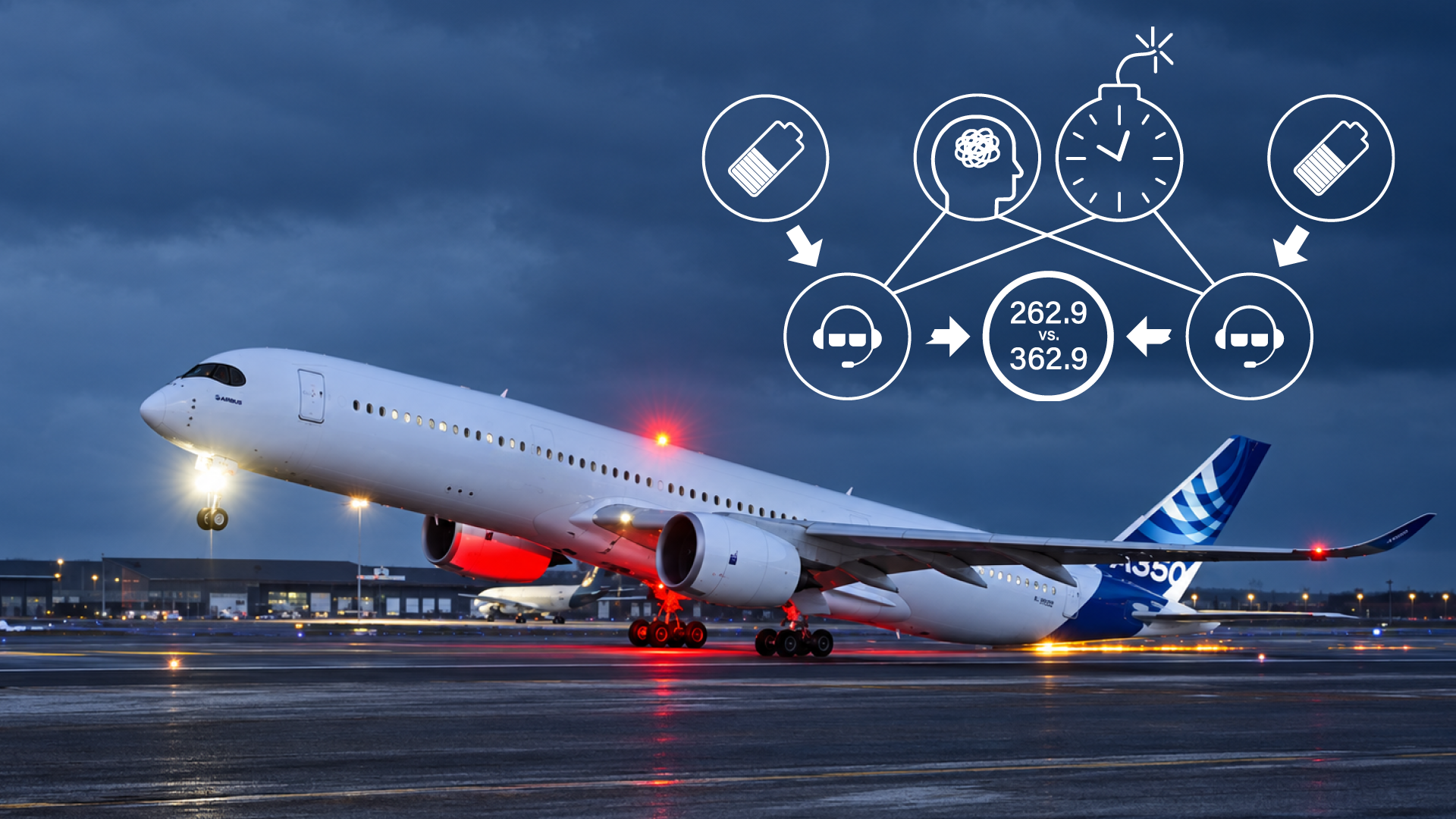
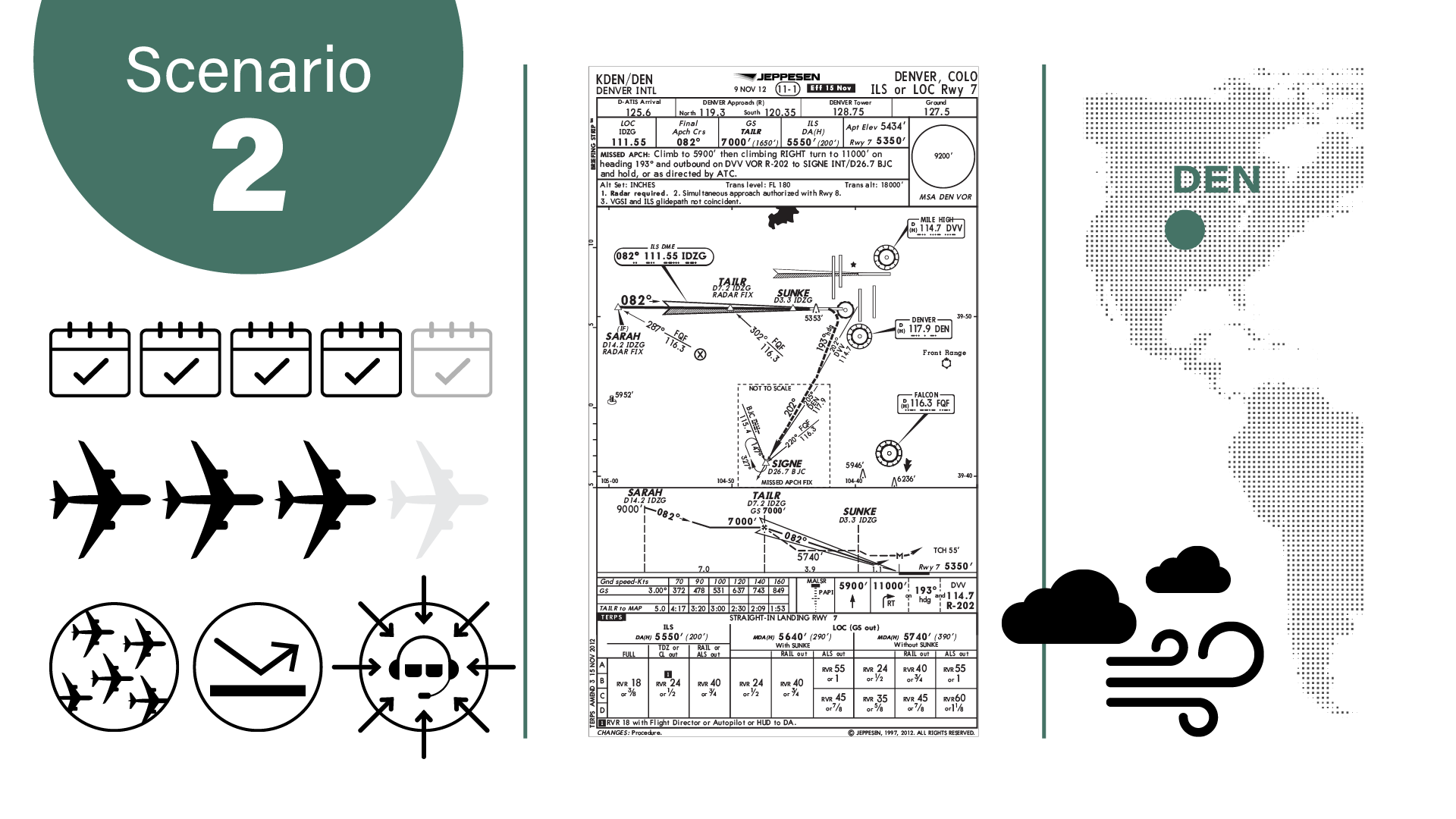
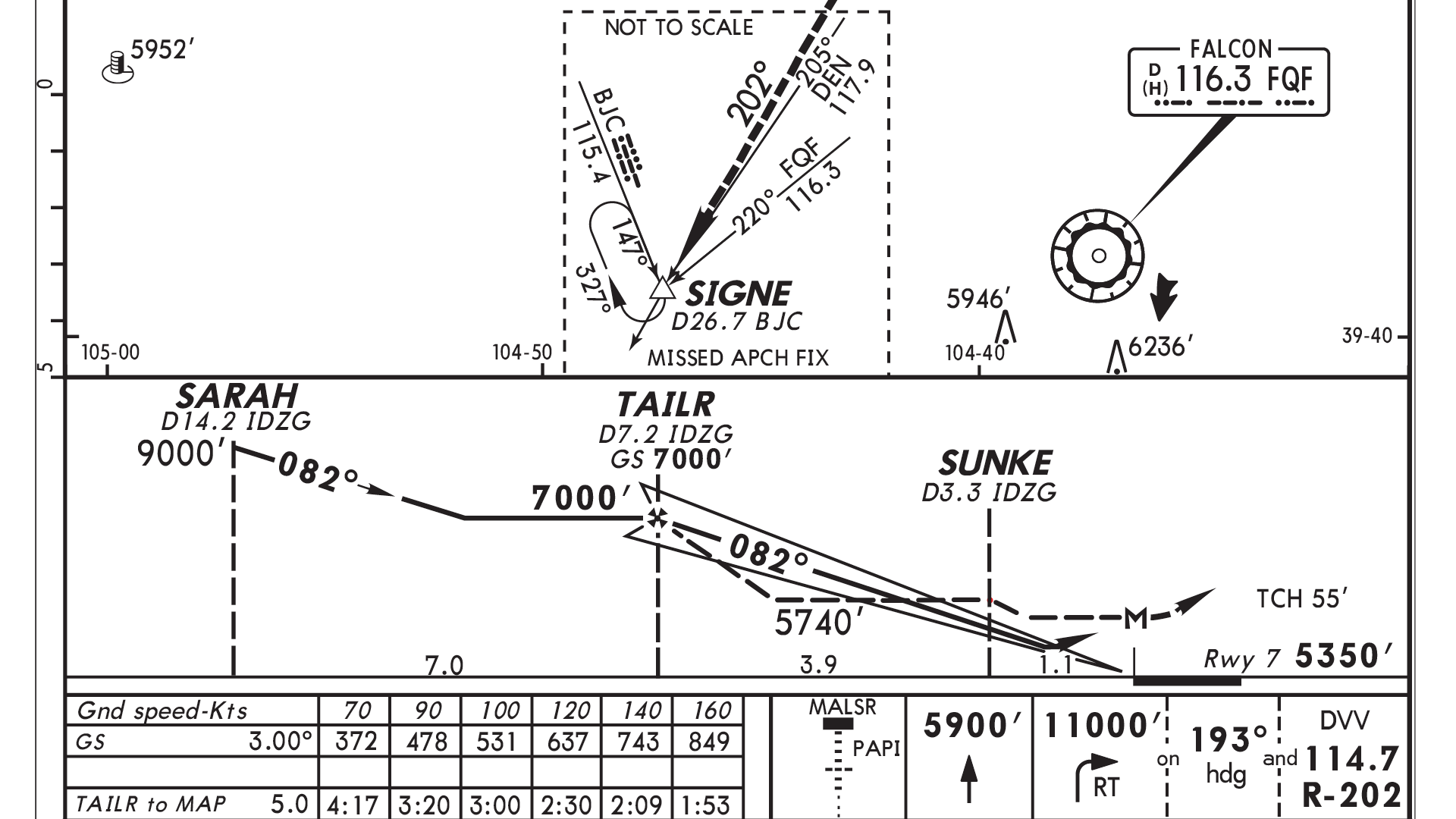
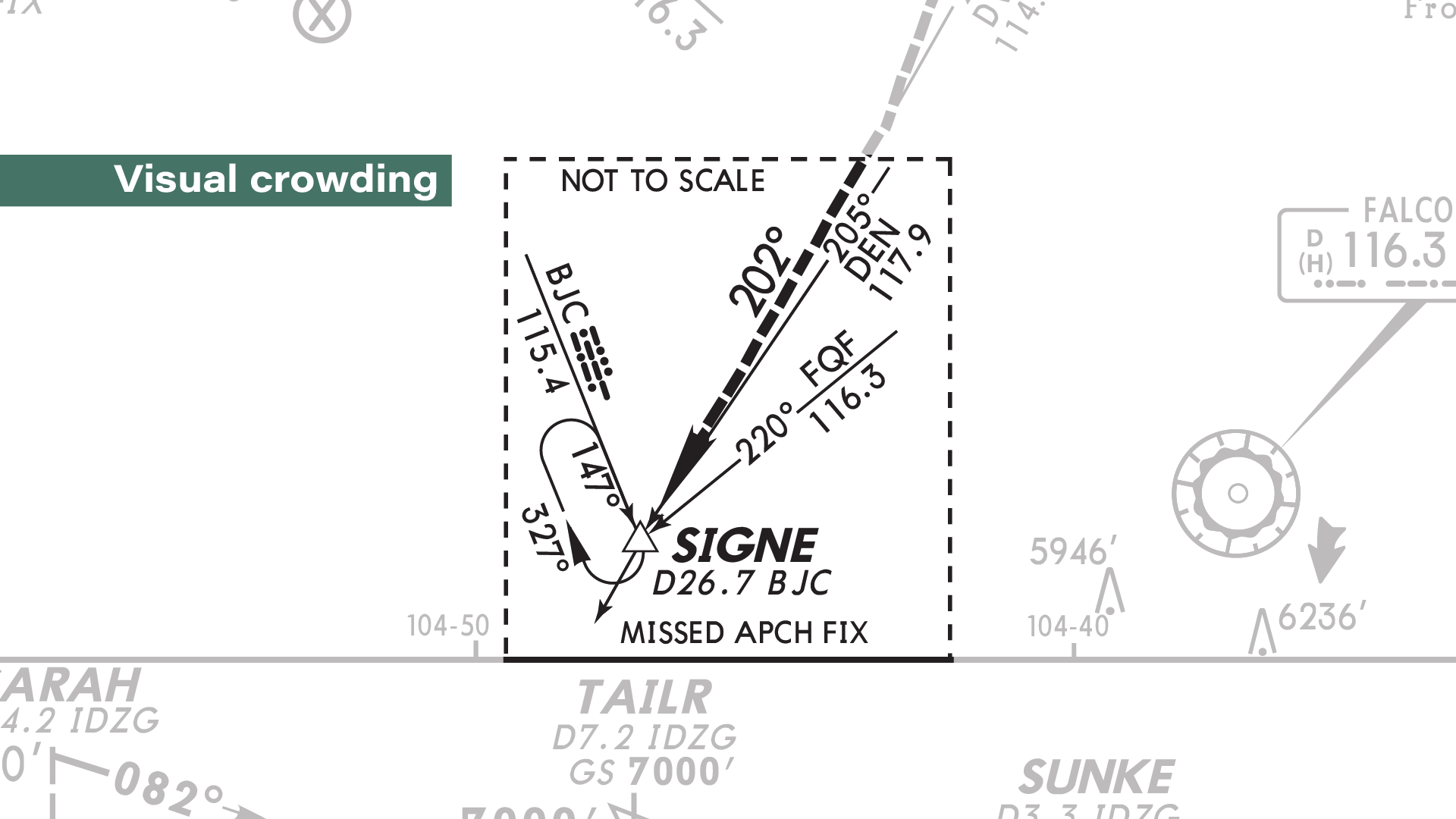
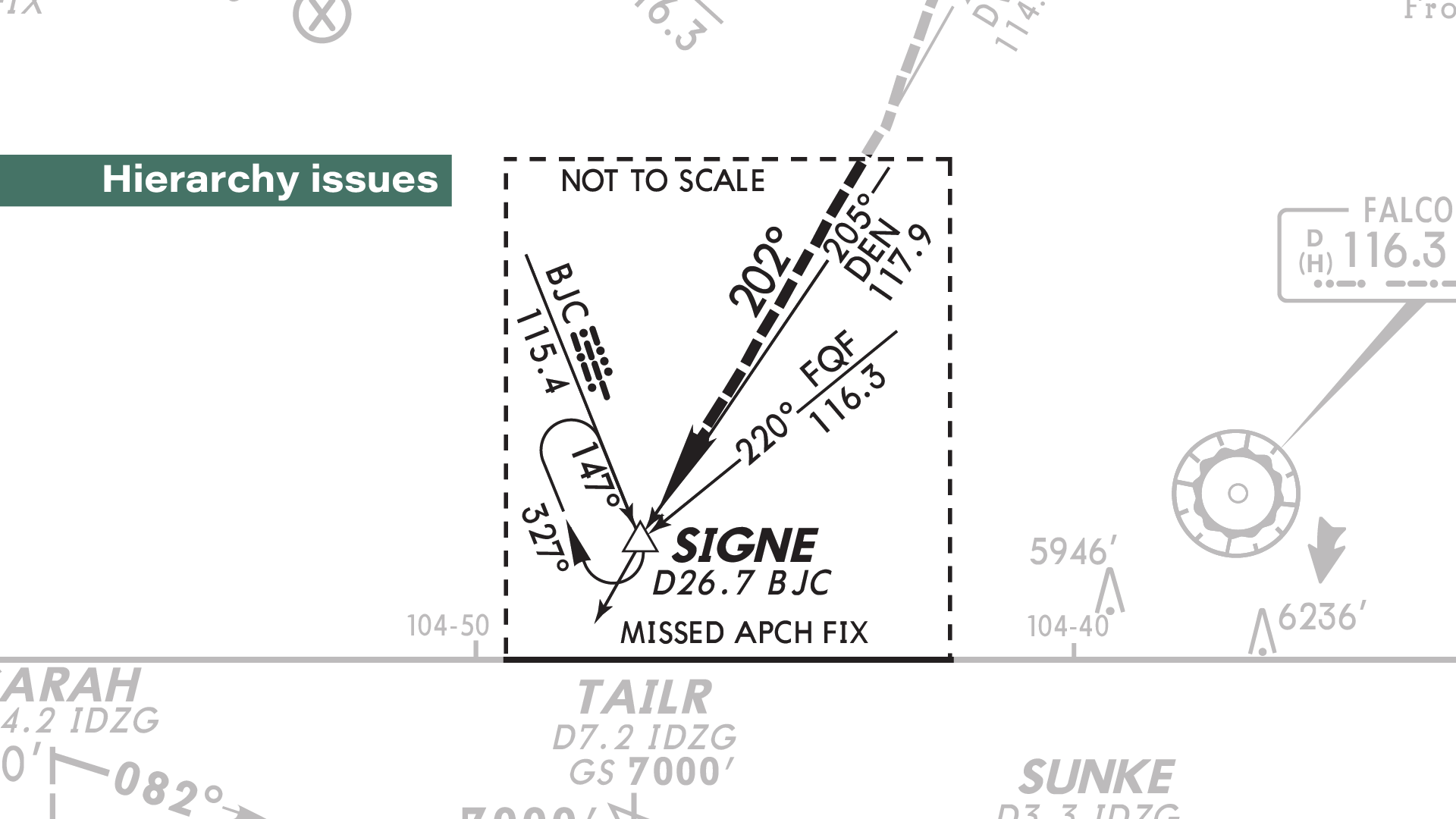
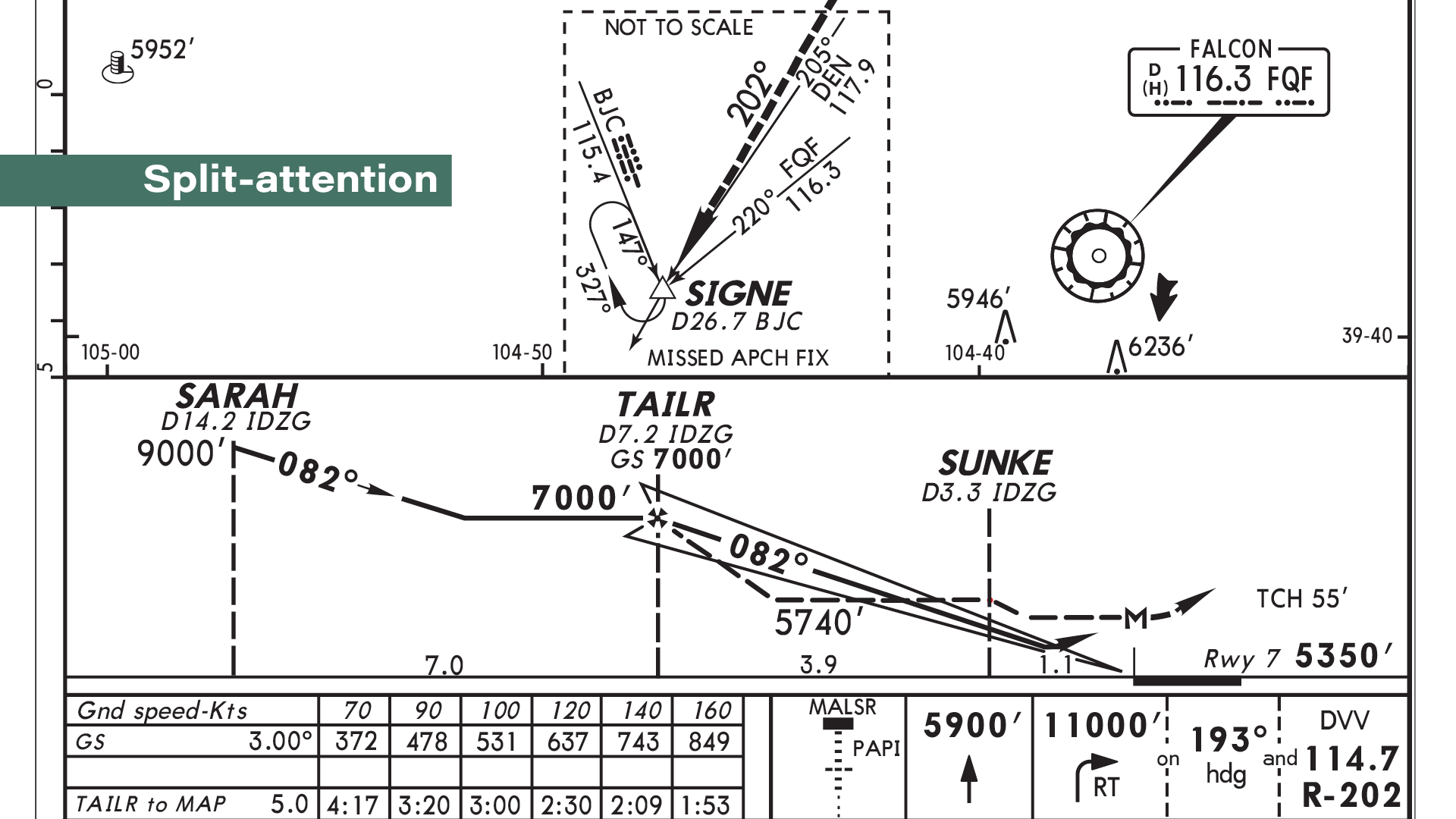
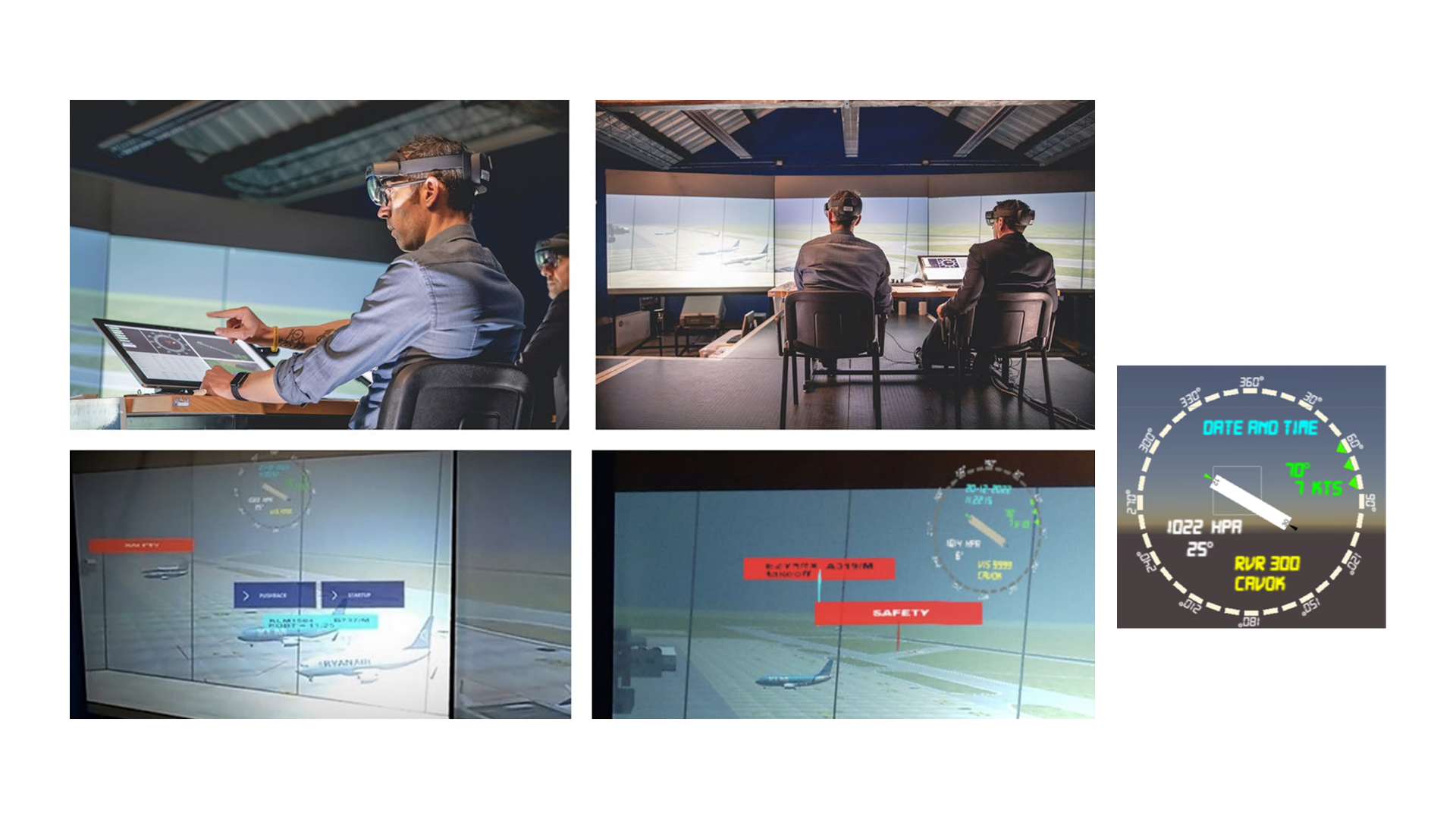
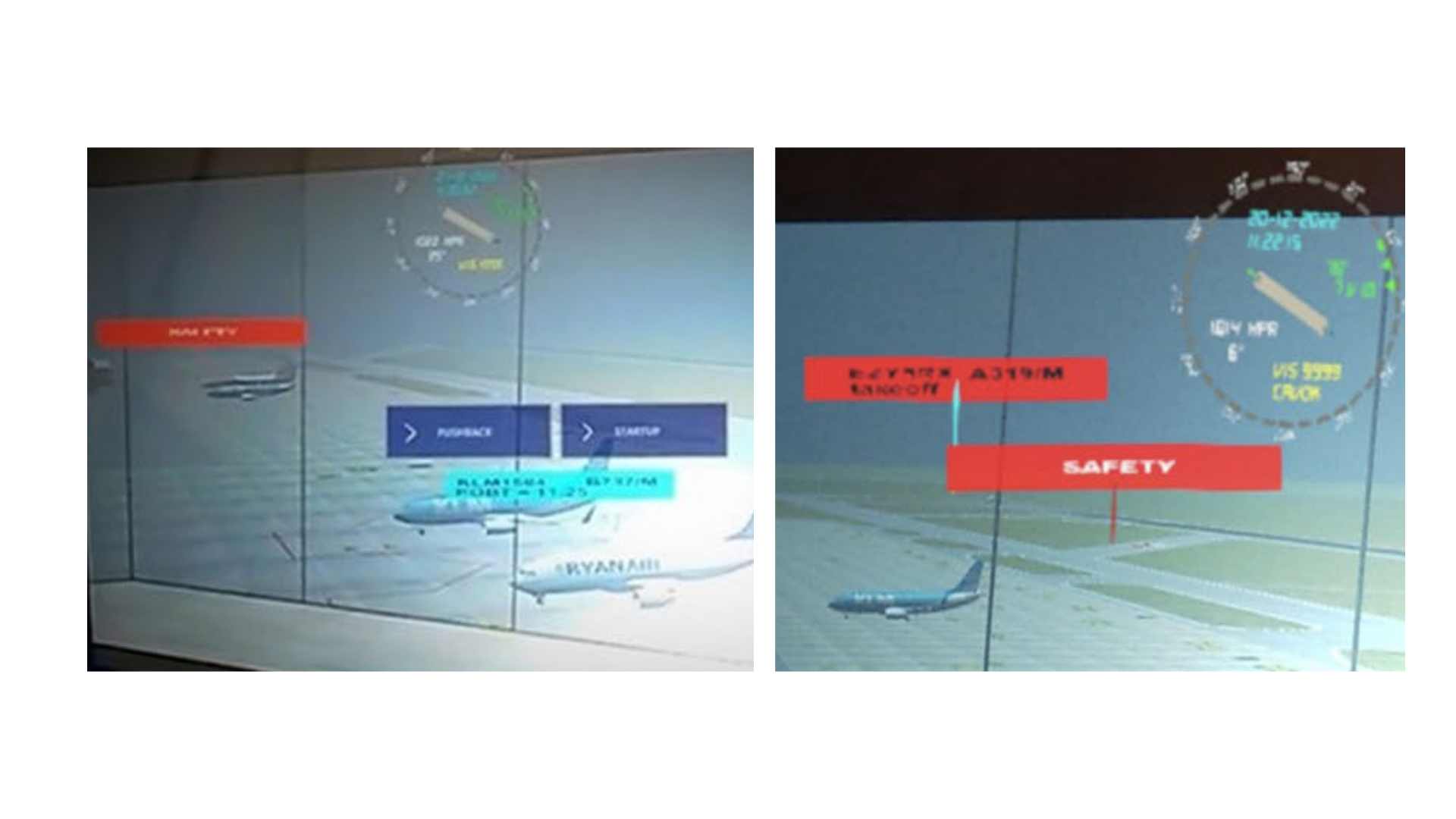
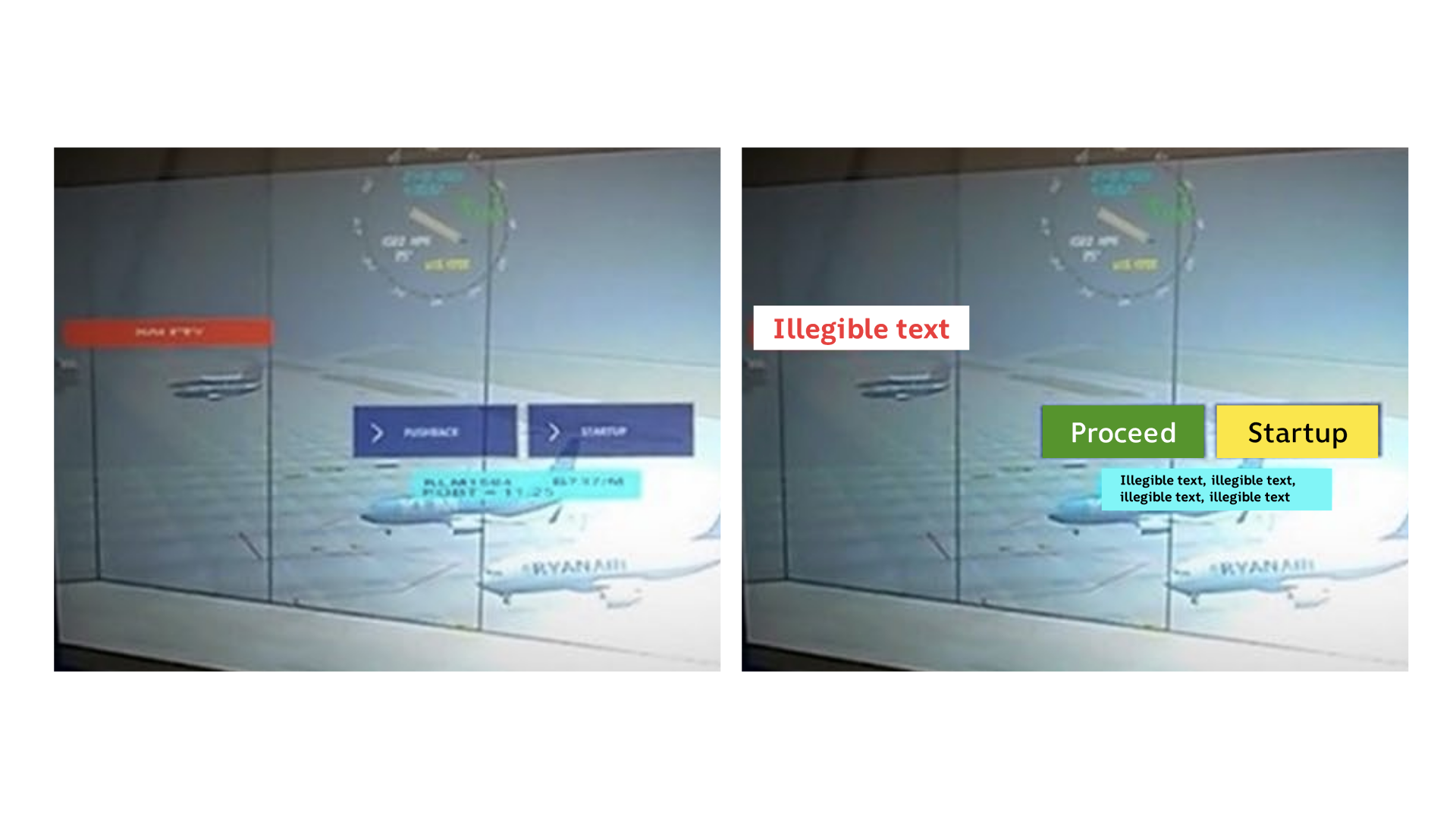
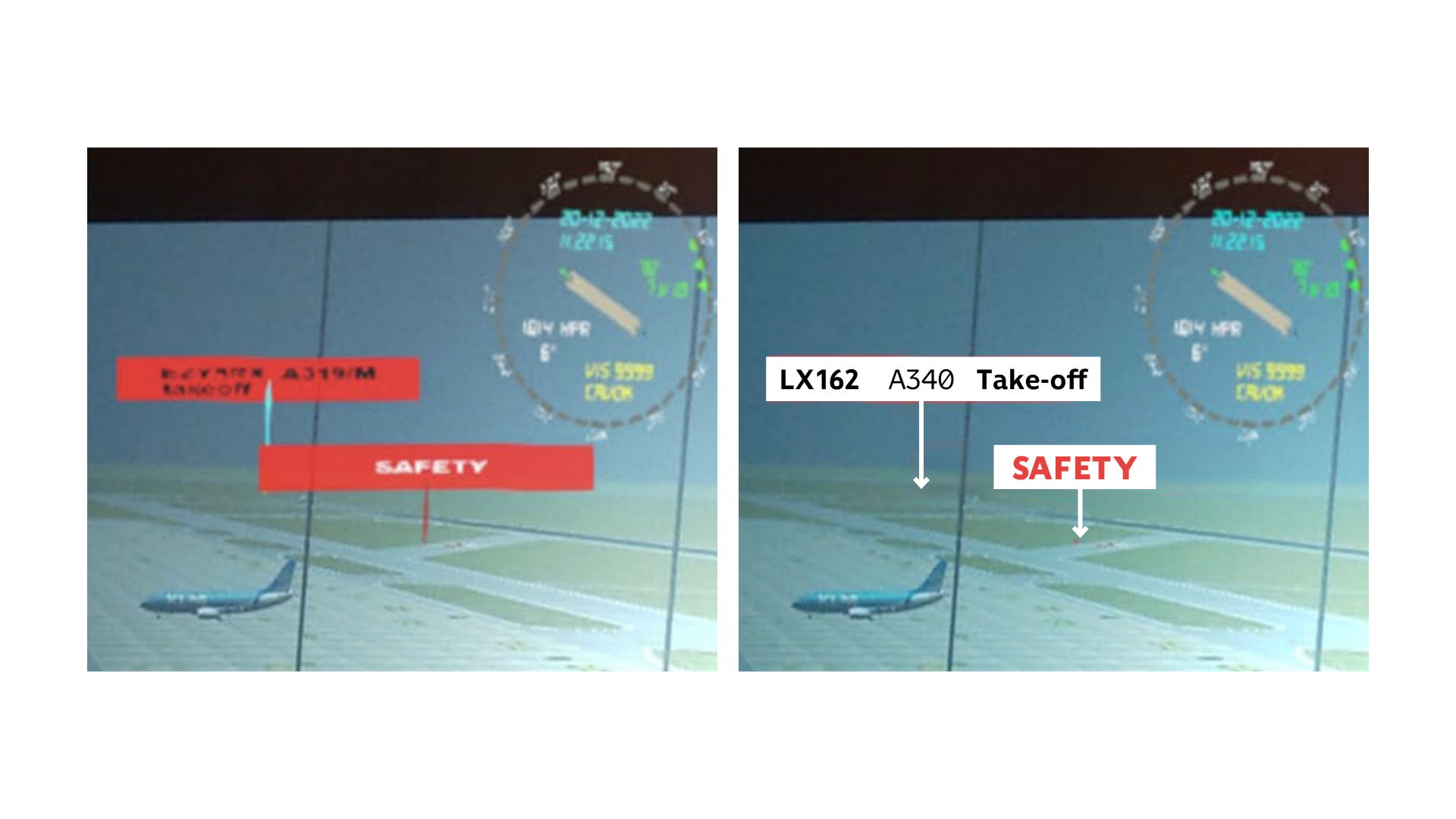
Building on my previous PACDEFF presentations, this talk shifts focus from description to consequence, exploring how typographic legibility can subtly contribute to operational errors. Fictionalised narratives and a case study illustrate different legibility issues that may lead to misinterpretation during routine operations.
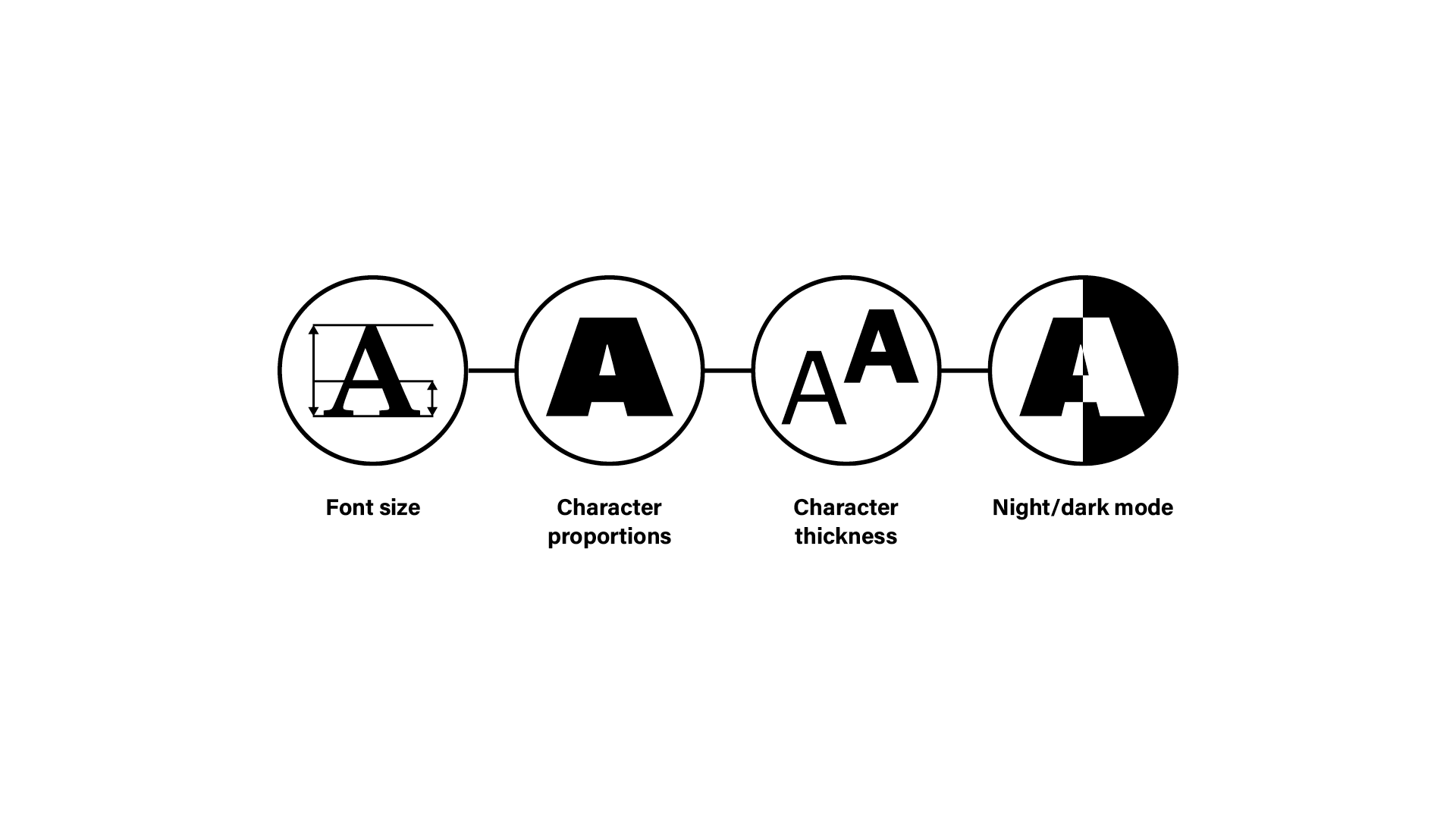
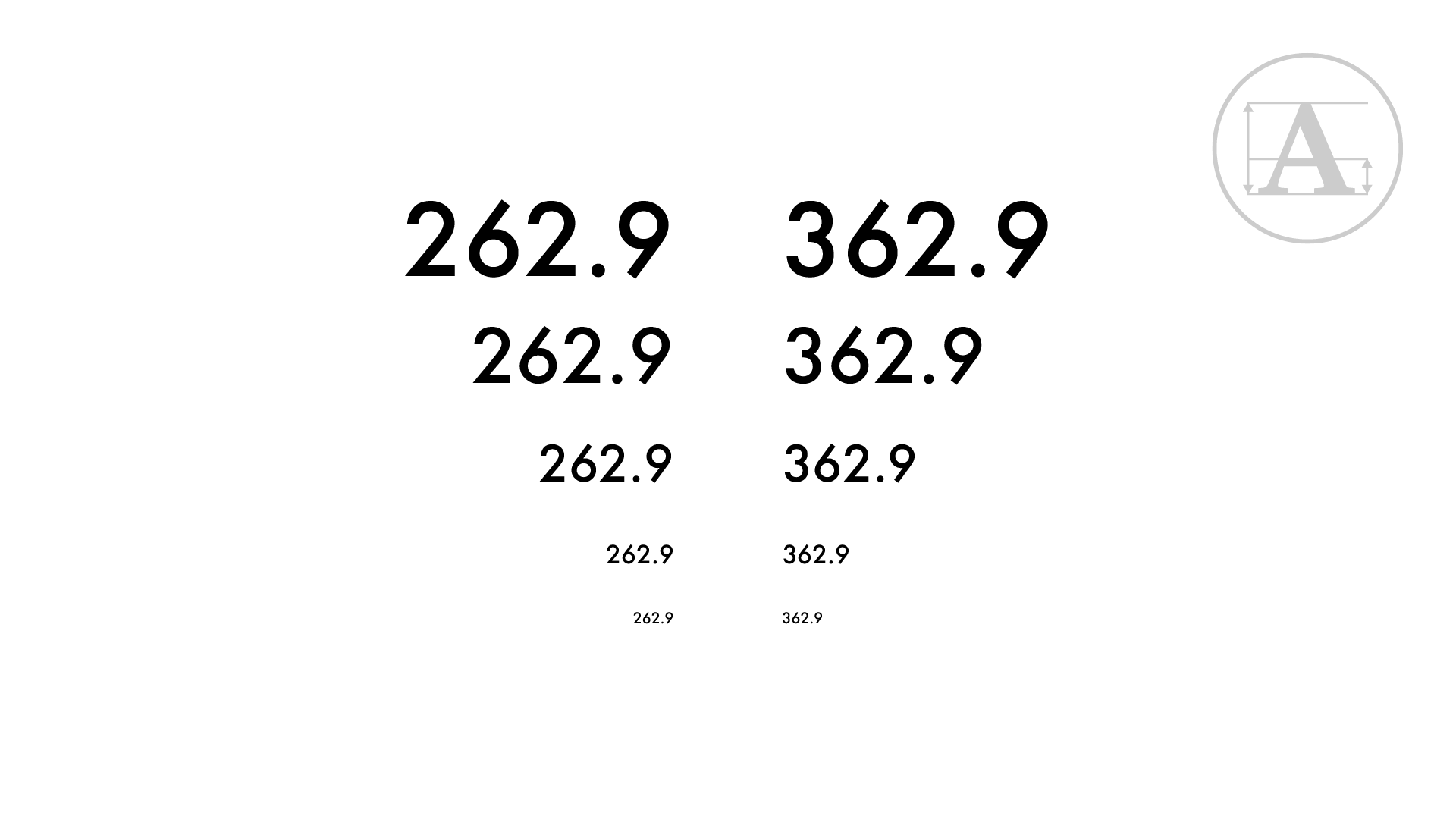
The discussion then highlights the mechanisms behind these errors, including impacts on calculations, navigation inputs, and situational awareness, and identifies the design characteristics that enable them. These patterns reveal potential limits in system resilience and encourage reflection on whether assumptions about routine operational success hold true when text itself introduces vulnerability.
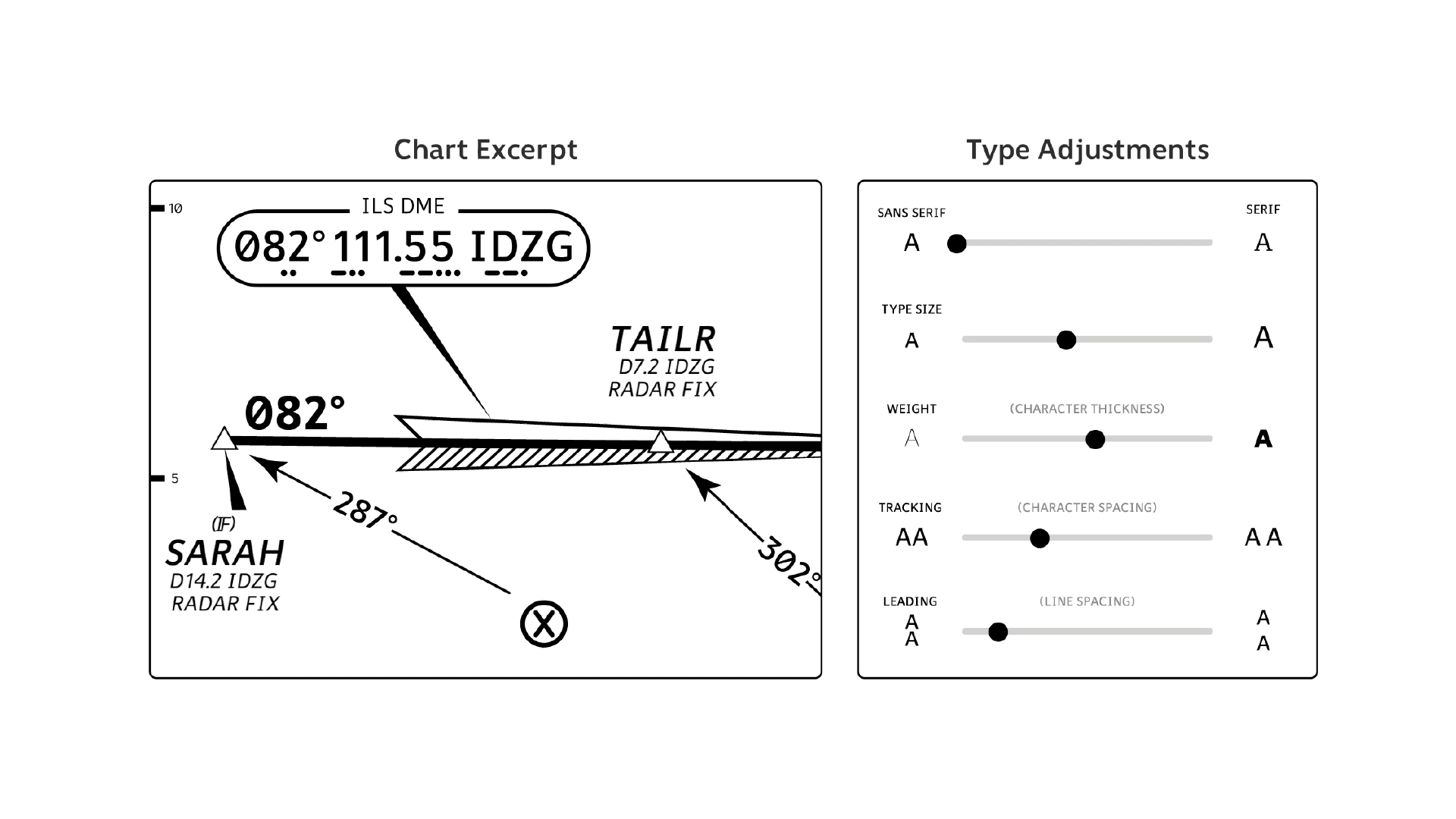
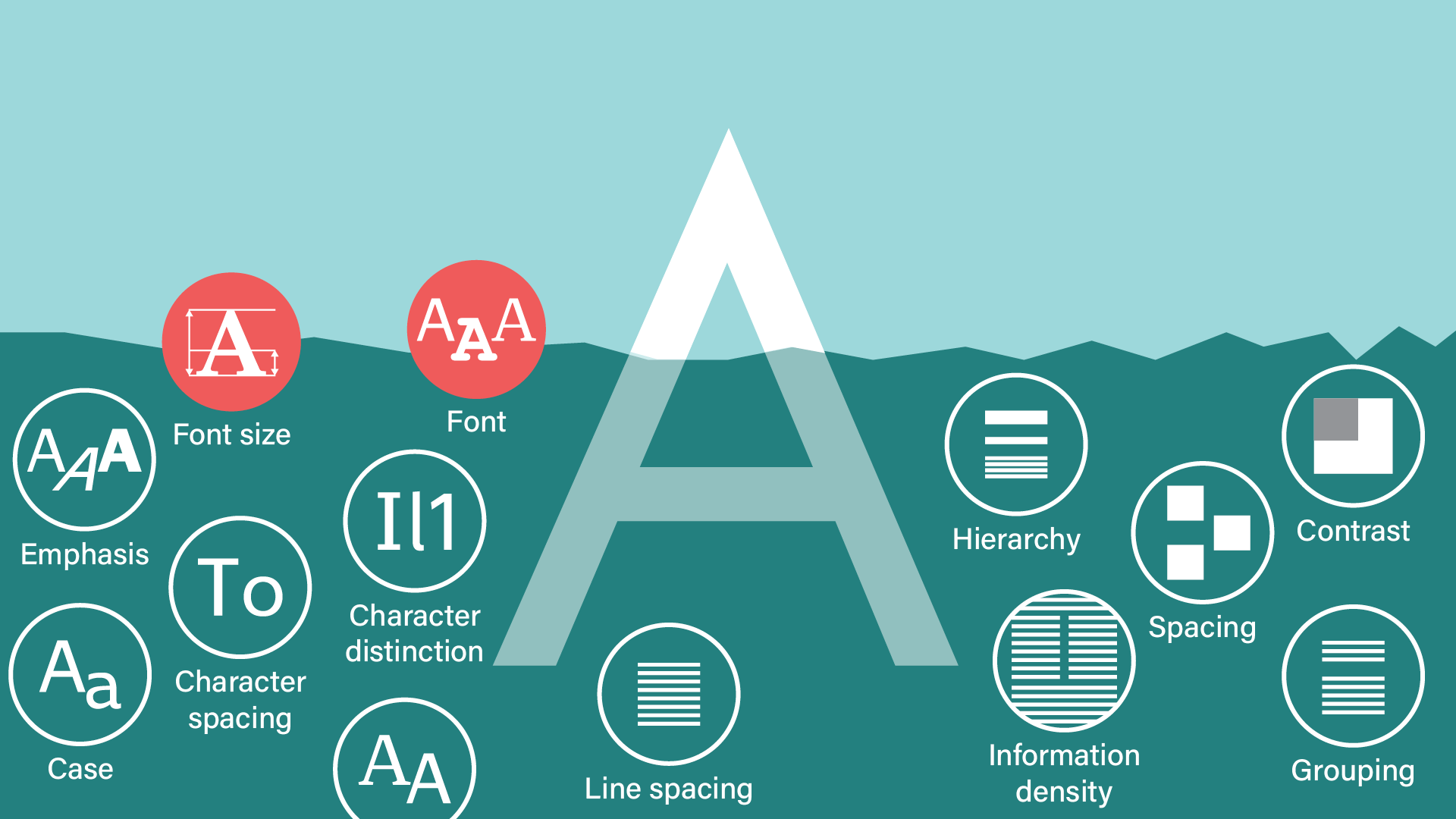
Together, these examples underscore the critical role of legibility in operational safety. By making the subtle consequences of small perceptual slips relatable, the talk fosters a practical understanding of text clarity and highlights strategies that both prevent errors and strengthen system resilience. The presentation concludes with practical recommendations for improved legibility.